Al-Hussein Association leads the national path towards inclusive community development and inclusion in Jordan
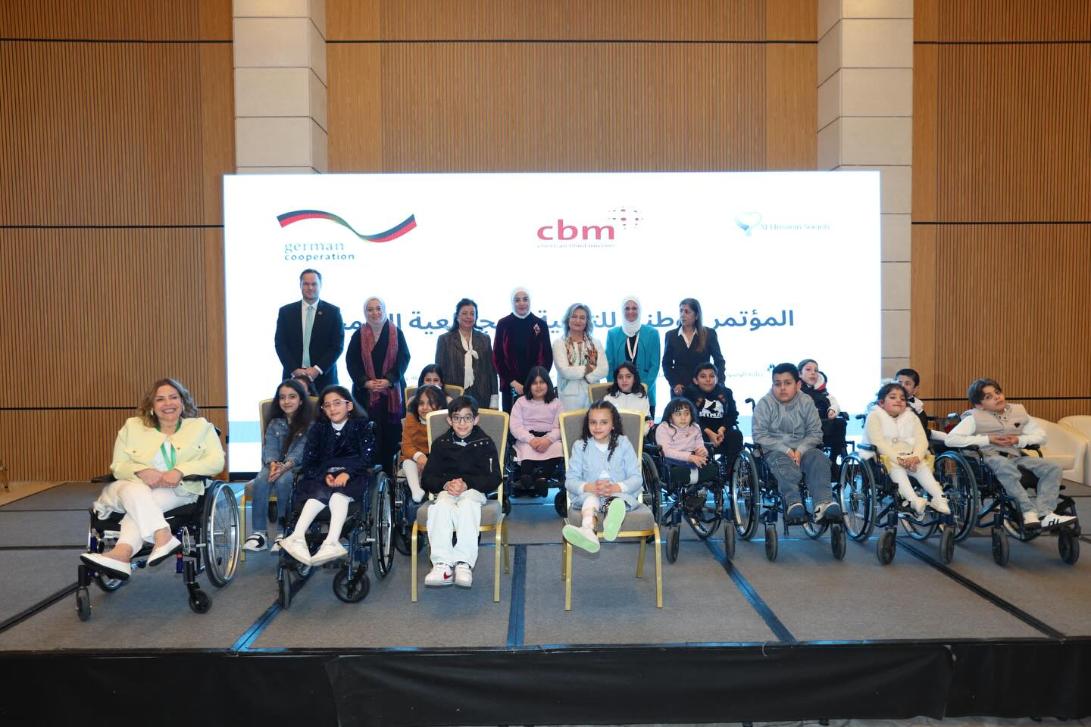
Al-Hussein Association – Jordan Center for Inclusive and Inclusion concluded the work of the National Conference for Inclusive Community Development and Inclusion (CBID), which formed a prominent national station that brought together high-level representatives from various Jordanian State organizations, as well as national organizations, organizations of persons with disabilities, caregivers, civil society organizations, and representatives from local communities from various Governments of the Kingdom .
The conference provided a national platform to reach the voices of people with disabilities, their organizations and caregivers, ensuring their lived experiences and community involvement are at the heart of national dialogue and decision-making. The conference also reiterated the importance of a community-based approach to transforming policies into practical practices with tangible impact.
Over the years, the Association of Al-Hussein – Jordan Center for Training and Inclusive Integration has played a pioneering role in introducing the concept of Inclusive Community Development (CBID) to Jordan, adapting it to the national context, and advocating for its adoption. Drawing from its long experience in Community Rehabilitation (CBR) and integrated programs, the Association recognized early on the need to shift from partial service delivery to a rights-based, inclusive developmental approach that puts people with disabilities at the heart of their communities.
Since 2018, the Association has worked in partnership with local communities, organizations for people with disabilities, service providers, and national organizations to transform the CBID concept into evidence-based practice models. Through implementation, capacity-building and ongoing advocacy, the Association has proven that CBID is not a theoretical framework, but a patriotic approach encompassing health, education, livelihoods, empowerment and supportive environment.
The CBID project, which was celebrated during the conference, represents the culmination of years of hard work, providing models of replicable and scalable success that can be built on national policies and programmes. Despite limited resources, the true value of the project lies in promoting ownership of local communities, generating knowledge, and active contributions to national dialogue and policies.
The Jordanian government’s approval of the CBID concept as part of a detailed national strategy, reflects confidence in the leadership role of Al-Hussein Association, its credibility and continuity. This achievement also reflects a strong legacy based on the vision of the Hashmi family, which began with Her Royal Highness Princess Majda Raad Al-Maezma, which upholds the principles of dignity, rights and community participation since the foundation of the association, and continues to form the compass of its career to this day.
More importantly, one of the highlights and most important outcomes of the CBID project is the launch of the RAAD Platform, a national mechanism aimed at promoting coordination, data sharing, and evidence-based planning in the field of disability. To ensure the sustainability of this platform after the project is completed, the Supreme Council for the Rights of Persons with Disabilities will oversee and administer it, strengthening its role as a national reference and accountability mechanism, and ensuring its contributions continue to push the path of inclusive and inclusive community development in Jordan.